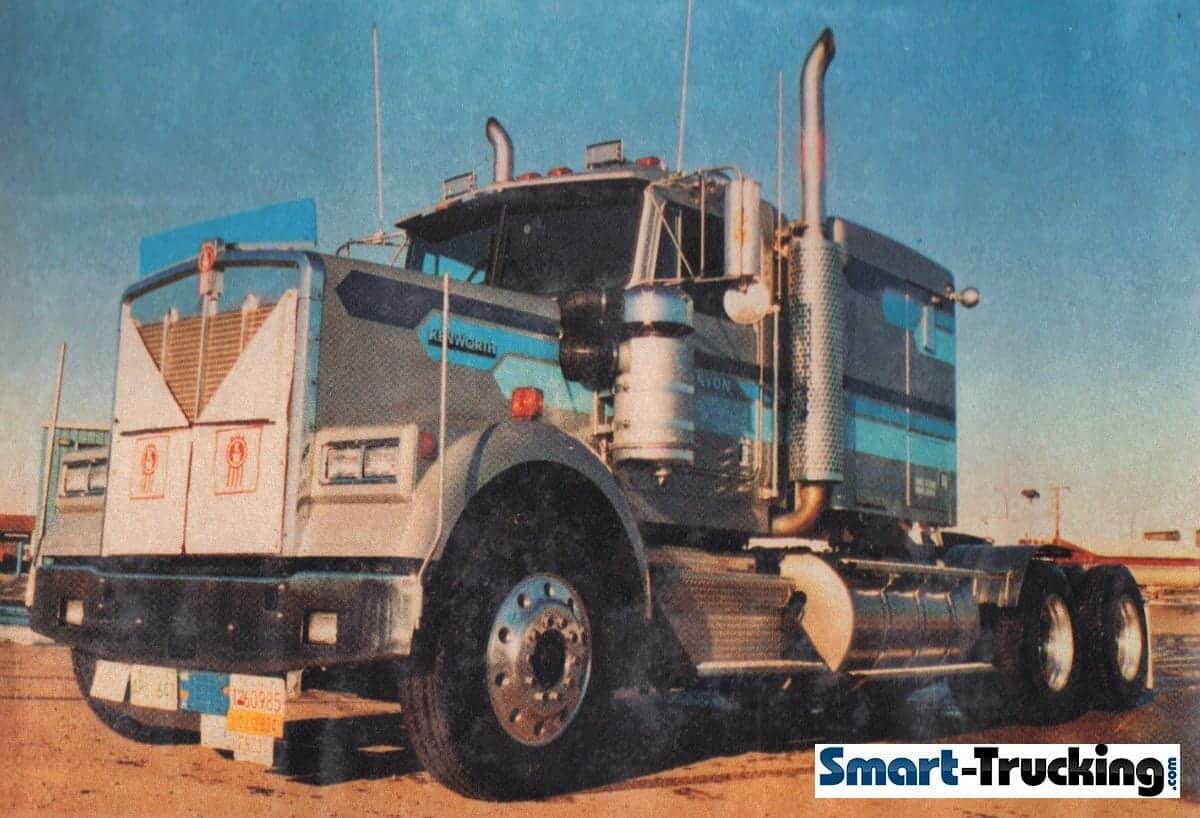
Paper Logs, Clever Tricks and Honest Lies
Back in the day, a driver’s logbook wasn’t just a legal requirement.
It was a bit of an art form.
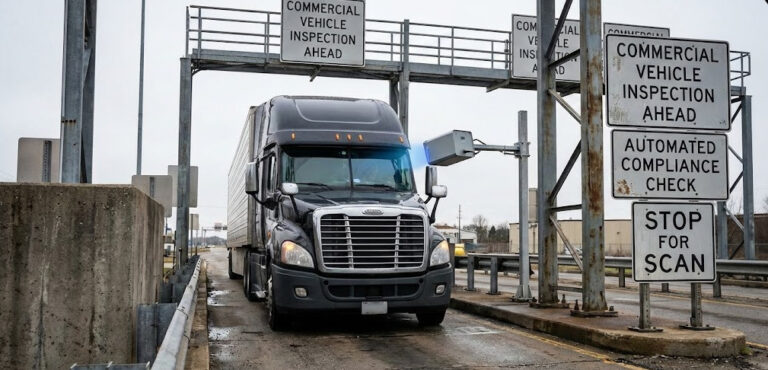
Make no mistake, the ELD’s of today make sure every minute is accounted for.
But, there was a reason drivers survived the paper log era.
And that was their creativity.
The Art of Flexible Hours
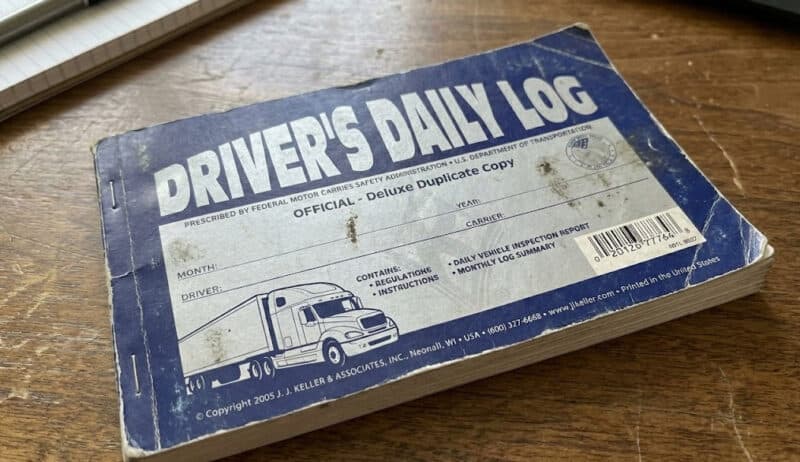
Paper logs were quite forgiving.
A couple of extra hours here.
A shortened break there.
You know, it wasn’t about cheating. It was about making it work.
If a driver ran out of hours mid-delivery, there was no need to panic.
He got creative.
He juggled the numbers and made the math work.
Every single trucker on the road had a story about “stretching out the day.”
Notes in the Margins
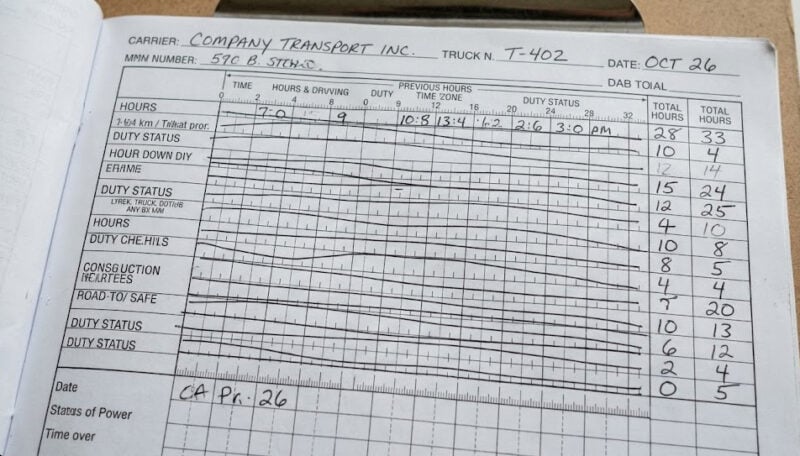
Paper logbooks were also full of personality.
Drivers scribbled notes, doodles, and even little notes in the margins:
“Coffee stopped here. Was worth it.”
“Rain so bad I considered sleeping on the side of the road… almost.”
These notes were more than memories.
They were a peek into the life of a driver on the road…. it was all about improvising and some quick thinking.
The Freedom Factor
ELD’s have standardized hours, but they’ve also standardized life for truck drivers.
There’s no wiggle room, no room for a little judgment, or even a little humour.
Paper logs let drivers make on the spot decisions without waiting for a computer to approve them.
Drivers could adapt to weather, traffic, or a truck breakdown without a blinking red light and error message telling them they’re breaking the law!
Survival of the Fittest
Let’s be honest about this log book creativity.
Everyone did it. And if you meet someone who says they never did it, they were lying.
Yet everyone survived.
Trucking wasn’t easier back then, but drivers weren’t handcuffed by technology either.
Paper log books demanded honesty and skill.
Drivers had to know their truck, their trip route, and themselves to make it all work. That skill and adaptability? Now there’s something that ELD’s just cannot measure.
Creative Writing in Action
Back when a pen and paper were how truckers tracked their day, they got… well….creative.
Here are some classic “creative logbook entries” that show just how flexible and funny, life on the road could be:
- The Coffee Break That Lasted 45 Minutes
Logged as: “Fuel stop. Coffee, snacks, truck check, short nap.”
Translation: a 15-minute pit stop somehow became 45. Hey, the engine was off, right? - The Weather Delay
Logged as: “Heavy rain, slowed to safe speed. Time adjusted for caution.”
Translation: “I sat under the overpass for an hour waiting for it to stop.” - The “Mechanical Issue”
Logged as: “Minor mechanical inspection.”
Translation: “Blew a tire, swapped it, and grabbed lunch while nobody was looking.” - The Creative Route Change
Logged as: “Detour due to construction.”
Translation: “Took a scenic backroad cause I was overweight and traffic sucked anyway.” - The Sleep Loophole
Logged as: “Rest period: 10 hours.”
Translation: “Slept 7 hours, counted the other 3 staring at the ceiling thinking about life.”
Drivers shared a wink and a nod through these entries.
It wasn’t about lying. No sir.
It was about keeping freight moving, not having a roll over and surviving long hauls with a little humour.
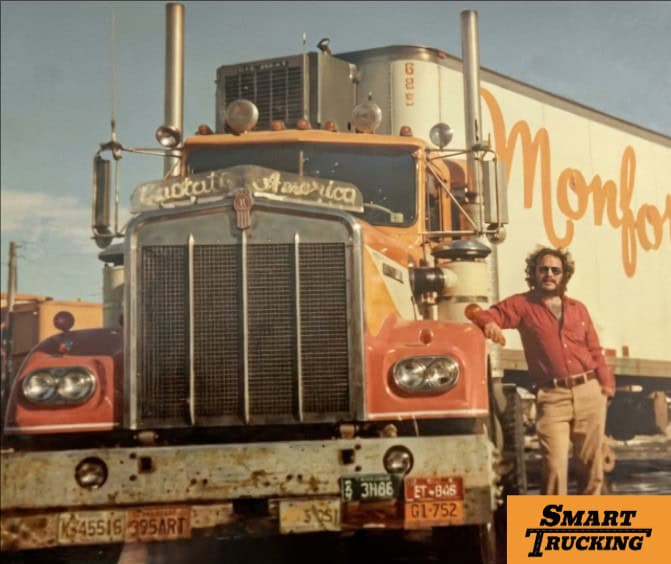
ELD;s may have ended the “creative writing” era, but anyone who drove a truck in the ’70s or ’80s remembers these moments fondly. And maybe a little sheepishly.
A Nod to the Past

Paper logbooks were messy.
At times, they were questionable.
But they were always human.
They reflected the smarts of drivers who kept America moving through sweat, some ingenuity and sometimes a little “creative writing.”
Today’s ELD’s may be more efficient, but they don’t tell a story.
Paper logbooks did.
So here’s to the logbooks of the past.
They were not perfect.
But they were flexible.
And right full of personality.
They may be a thing of the past, but the stories and those skills will never die.
There’s ONE thing I never touched on in this post….. and that is the topic of um uh…. multiple logbooks so as a driver could get EXTRA CREATIVE.
Those of you who ran many years ago, will know exactly what I’m talking about.