The Monfort Trucks: Legends of the Left Lane
Back in the glory days of trucking, in the /70’s- ’80’s, there was one name that could make your heart skip a beat and your hands tighten on the wheel.
Before trucking became corporate, polished, and sanitized…
there were trucking outfits that just did things differently.
Monfort of Colorado was one of them.
To any outsiders, it was just another meatpacking company.
To truck drivers, it was a legend: the originator of the “Monfort Lane”, the ultimate left lane, hammer lane fleet from all the way from Greeley, Colorado to the East Coast.
They ‘Owned’ The Left Lane
Monfort of Colorado started out with cattle near Greeley CO.
But it was their trucks that really turned heads.
Bold, powerful, and instantly recognizable, these trucks were legends of the road.
They weren’t just workhorses.
They were the face of a brand that changed the game in trucking.
If you ever tried to run the front door for a Monfort rig, you knew what it meant: your truck could really move.
If not?
Best stay out of the hammer lane.
Many drivers remember lining up at the ’76 in Youngstown, then chasing Monfort trucks across I-80, rolling through the Vince Lombardi Bridge, and into Hunts Point, New York.
“If you saw one of their trucks, you didn’t see it for long,” one driver recalled. “They would fly by you like you were standing still.”
Those trucks were just all about speed. It was about precision timing.
Monfort ran tight schedules, hauling fresh beef from Colorado to New York.
Teams would slip-seat, swapping drivers mid-run, making the 1,800-mile hauls on time.
The Left Lane? That Became the Monfort Lane
They weren’t messing around.
Drivers recall “triple-digit crews” pushing the limits—running 90mph 24 hours a day on some stretches, highballing through the night while flames shot out of stacks.
Sleep was optional.
Duty was everything.
“Back in the day, if you were driving in the left lane, move it on over, if the truck behind you was a Monfort. Hang on to your doors,” said a veteran.
The Monfort Trucks
These trucks weren’t castrated plastic toys.
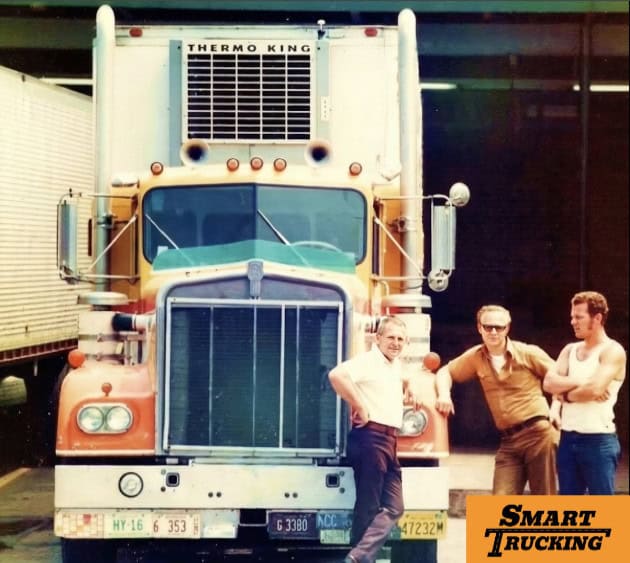
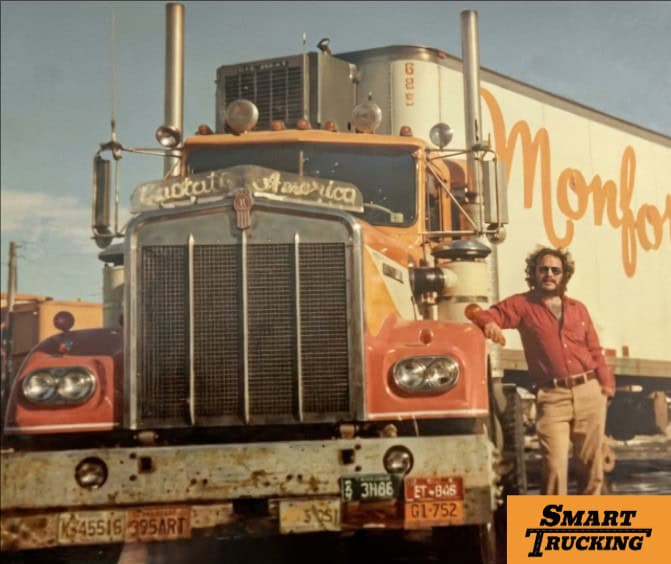
They were mostly Kenworth W925 tractors, with Big Cam Cummins Diesel Engines, 13-speed transmissions, painted in the infamous orange-and-white “Circus Wagon” design.
There were some independent owner operator trucks in those days, that could top 100 mph. But nothing could match a Monfort truck on a deadline.
Rumours ran wild on the CB that old man Monfort allegedly supplied drivers with road dope, sometimes covered speeding tickets and ran teams that barely slept.
Trucks were equipped with extra fuel tanks, up to 120 gallons, which meant fewer stops, keeping those wheels rolling and turning highways into Monfort territory.
What to Know More About The Monfort Truck Secrets?
Rumours and Tales
Some stories were pure legend.
But what else could you expect from truckers?
- Old man Monfort supposedly tried to buy the Ohio Turnpike to avoid paying speeding tickets.
- Agreements with customers meant running swinging beef from Salt Lake City to New York in 48 hours. Tickets be damned.
- 2 Pennsylvania State Police officers reportedly were needed to catch a Monfort truck to be able to ticket them!
- CB talk claimed the company supplied road dope, though nobody fully confirmed it.
Whether myth or truth, these stories made the Monfort Lane more than a lane.
These trucks were both feared and respected.
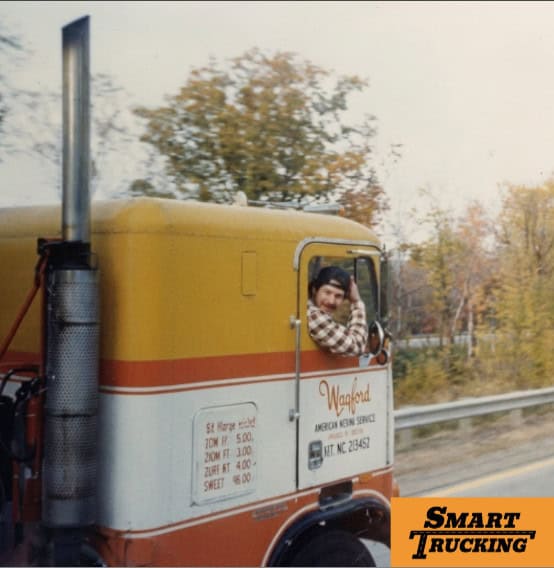
Monfort Trucks Were Not Just Trucks, They Were a Culture
Monfort trucks weren’t just about moving meat.
They represented a lifestyle, a machine, a family that demanded respect.
Drivers recall hauling swinging beef into Holden, Maine for Murphy’s Steakhouse, or racing along the interstate on night runs where the only sound was engines screaming and stacks glowing.
“Monfort was the original Colorado left lane gang,” one driver said. “Stay out of the way or get moved out of the way.”
The combination of speed, precision, and legend created an aura few could touch. Seeing a Monfort truck meant witnessing the mastery of man and machine, running steel and beef faster than anyone in those days thought possible.
The Legacy
Monfort of Colorado eventually faded after the ConAgra buyout in 1987, but the stories linger.
The Monfort Lane lives on in CB and old-school trucker stories.
Drivers who ran with them remember it like a badge of honour. Seeing a Monfort meant respecting the craft of hauling fresh beef at impossible speeds, and understanding that a truck could be more than metal—it could be a legend.
“If you could run the front door for a Monfort, then you could say you had a big truck,” one veteran said. “If you couldn’t, better stay out of the hammer lane.”
Monfort trucks weren’t just trucks.
They were speed, grit, and a legacy of drivers who dared to run faster, further, and smarter than anyone else on the road.