Truck Engine Troubleshooting: Don’t Just Sit There—Do This!
If your truck’s engine is acting up on the road, knowing some diesel engine troubleshooting tips can save you time, money, and headaches.
As an owner-operator, having a few quick fixes in your toolbox is invaluable, especially when shop rates nowadays are so expensive.
While the newer diesel engines are computerized and more complex, many common problems can still be solved without calling a service truck.
With nearly 40 years of trucking experience, including plenty of roadside fixes, I’ve learned what works in the real world.
This guide will walk you through practical steps for troubleshooting and maintaining your diesel engine, so you can stay rolling with confidence.
Engine Overheating Under Load
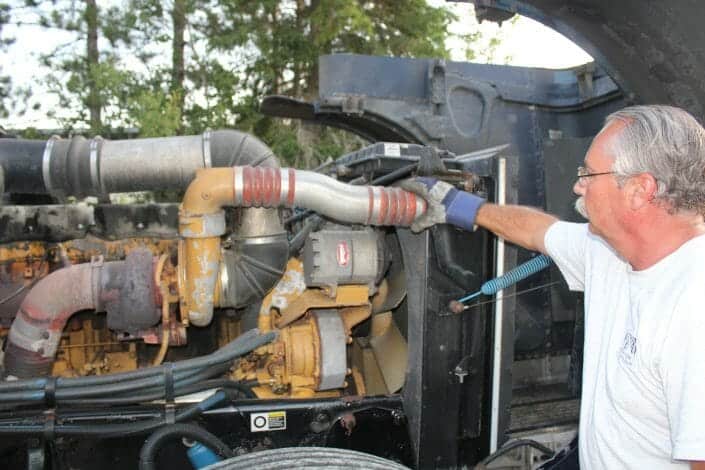
- Check the air flow to the radiator; make sure it isn’t blocked by bugs in good weather or snow/ice in winter.
- Ensure all axles are rolling freely; check for brakes or tires dragging.
- Inspect the engine fan and belts for proper operation.
- Consider outside air temperature; if it’s very hot while driving, gear down.
- Turn off the air conditioning on steep grades in hot weather to help the engine stay cool.
- Check oil and coolant levels when the engine is cool, and inspect for leaks.
Diesel Engine Starting Problems
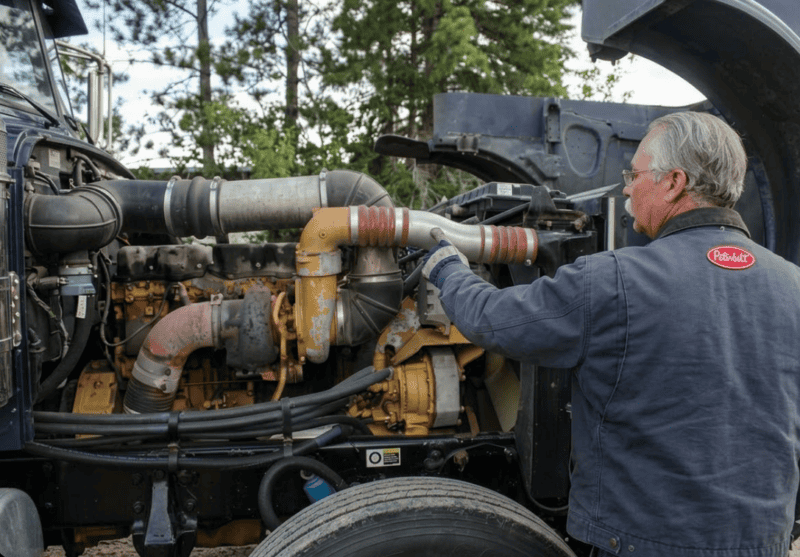
- Check the fuel supply; replace fuel filters if clogged.
- Inspect batteries and connections to the starter; ensure nothing is loose.
- Examine the starter motor.
- Check fuel pump and fuel lines.
- Inspect fuel for contamination; dirty fuel can cause problems.
- Clean or replace air filters; plugged filters starve the engine.
- Have a shop check injectors and the ECM.
Excess Smoke
Excess smoke is often an early indicator of engine trouble. The actual smoke colour can help identify the problem:
- White smoke: Engine timing off or weak compression.
- Blue smoke: Worn cylinders, piston rings, or valves.
- Black smoke: Dirty air filters, bad injectors, turbo issues, or cylinder head problems (insufficient fuel).
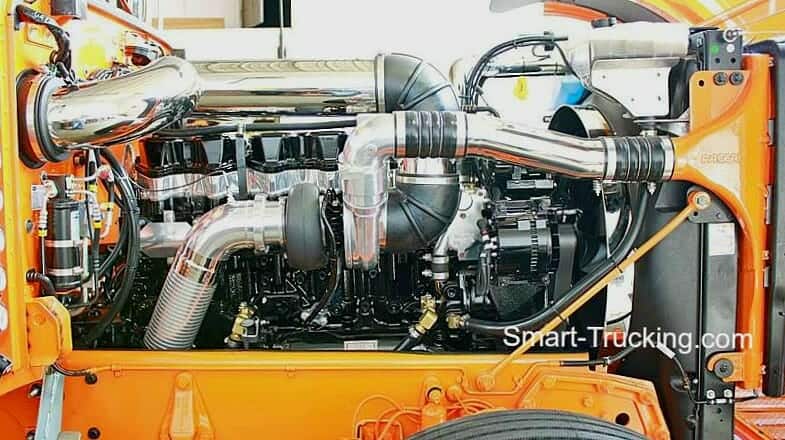
10 Diesel Engine Maintenance Tips
Preventative maintenance is key to avoiding engine problems before they start. As the saying goes: “An ounce of prevention is worth a pound of cure.”
- Keep the radiator free of bugs – Prevent overheating by cleaning the radiator every few days.
- Check the fan belts – Ensure belts are in good condition and properly tensioned.
- Change oil and fuel filters regularly – Follow manufacturer guidelines and use top-quality filters.
- Keep electrical connections clean – Ensure proper battery and ground cable condition.
- Buy top-quality fuel – Use reliable truck stops; avoid contaminated fuel that can damage your engine.
- Check all air connections – Inspect rad-to-air connections and air filters every few days.
- Keep all gauges in proper working order – Monitor coolant temperature, oil pressure, voltage, manifold pressure, and filter restriction gauge.
- Check the engine for leaks – Regularly inspect oil and coolant lines; fix issues immediately to comply with environmental regulations.
- Oil sampling – Have your oil tested at least annually for valuable insights into engine health.
- Fuel in the radiator is serious – If found, get your truck to a repair shop immediately.
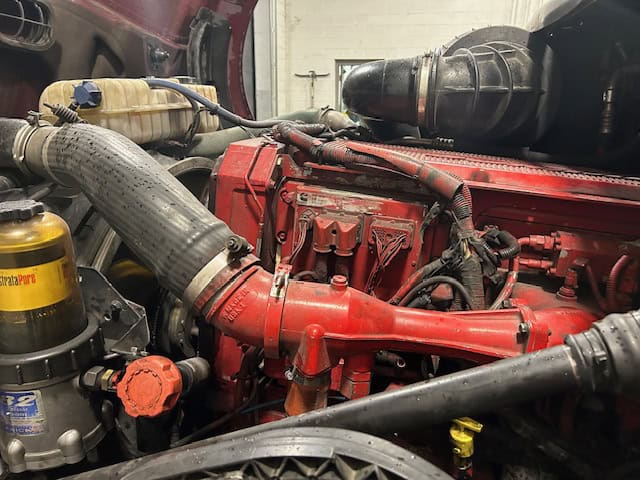
Recommended Scheduled Engine Maintenance Tips
- Follow the manufacturer’s recommended maintenance schedule. Replace injectors and turbos before they fail.
- Complicated diesel troubleshooting should always be handled by a dealer shop; DIY mistakes can be extremely costly.
- When in doubt, get your engine checked. Small problems can escalate, leading to expensive tow bills, hotel stays, and lost time on the road. Better safe than sorry.