Maps, Pay Phones and Grit: When Technology Wasn’t An Option
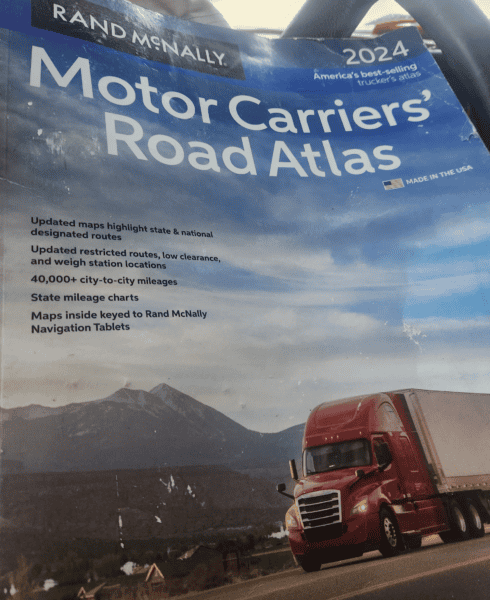
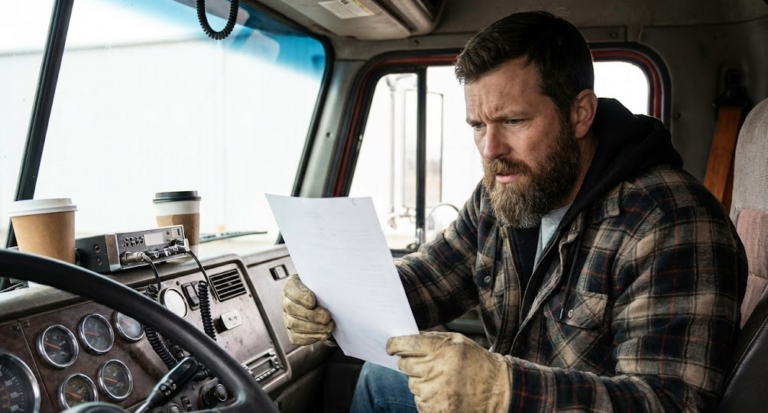
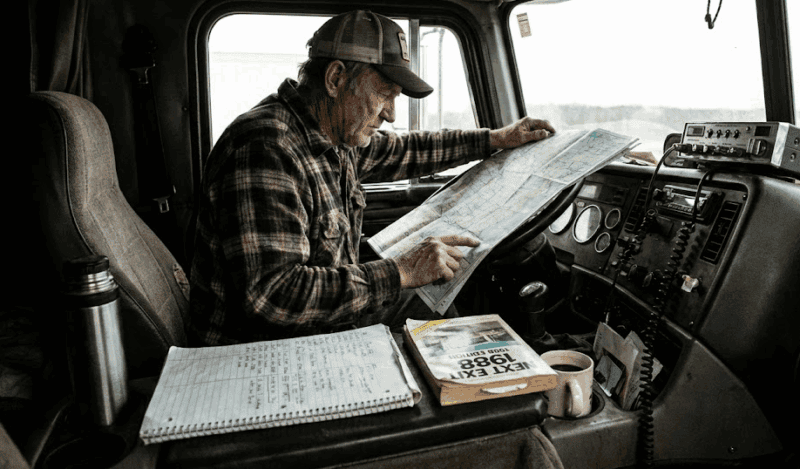
Remember when trucking meant the driver planned their own route?
Before the GPS, the smartphone, and digital maps, truckers didn’t just punch in an address and blindly follow a voice.
Every trip was planned.
It took skill, experience, and a simple toolkit: a road map, a Next Exit book, and a roll of coins for pay phones.
Back then, the driver was the navigation system.
There was no other way. When a driver knew the roads, it could mean the difference between smooth sailing on a road trip and a wasted day.
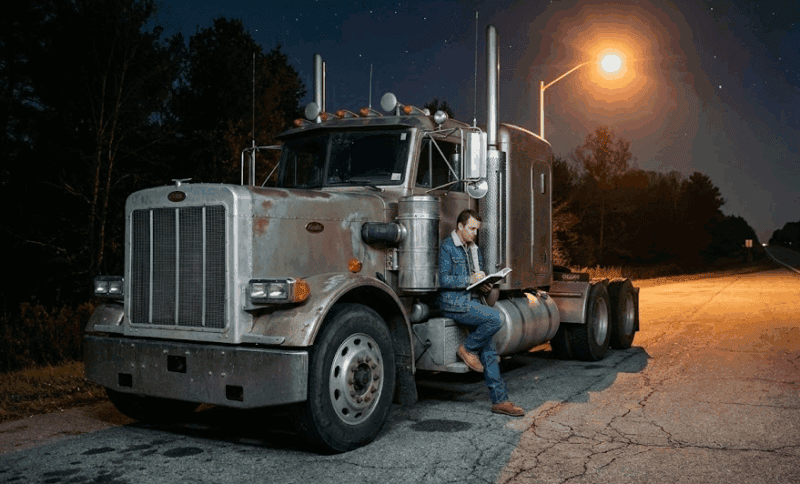
“I had 15 roadmaps, a notebook, and a head on my shoulders. I didn’t need a GPS telling me every turn along the way. I knew where to go. I already owned the road.” —Frankie, 40 year truck driver
Reading a road map was a survival skill for drivers back in the day. If you couldn’t manage a road map, you were screwed.
It was a survival skill back then. A wrong turn could cost a driver hours when he’d get lost.
And there was no voice telling you to “recalculate” and get you onto the ‘right’ road.
Old-school drivers memorized routes, took note of tricky turns, and knew which roads could handle heavy loads. It was critical that a driver planned for the trip. There was no fancy equipment to bail him out if he got lost.
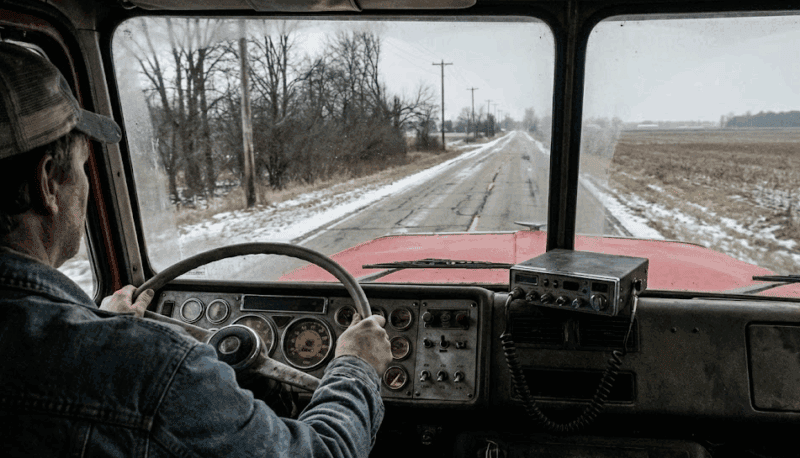
“Miss an exit in my day and you didn’t cry and have a mental breakdown. You would whip open your Exit book and found the closest truck stop long before anyone else had even noticed.” —Dave, 37 year veteran OTR driver
The Next Exit book was a great tool in every truckers tool box.
Every mile of major highways was in it….. exits, truck stops, towns, gas stations, rest stops, and weigh scales. If you missed an exit, the book told you exactly where to double back.
The modern day truck driver waits for the GPS voice to guide them.
The old school driver already knew what was ahead.
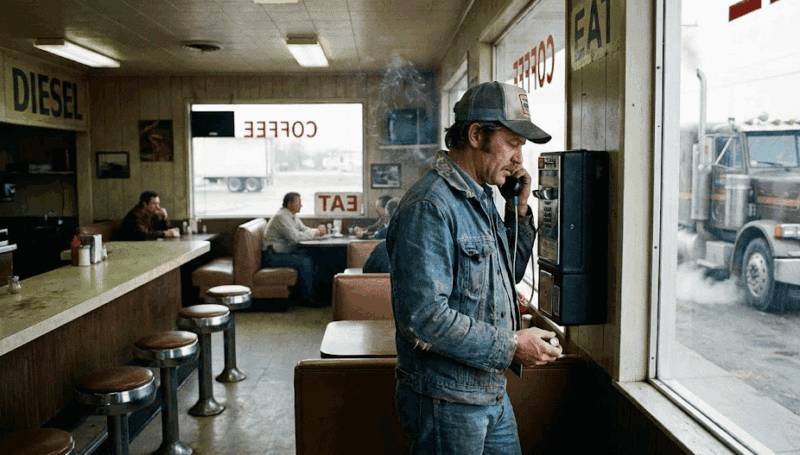
“You didn’t just dial and hope for the best. I had a roll of quarters, knew which phone booths worked, and timed it so my truck never cooled off while I was yapping.” —Linda, former OTR driver
Pay phones were a truckers lifeline, back then. Truckers kept buckets of change or rolls of coins handy, ready to make calls at truck stops or fuel stops or even right from the phones at the tables in the truck stops.
Weekly calls home were usually planned along the trip too.
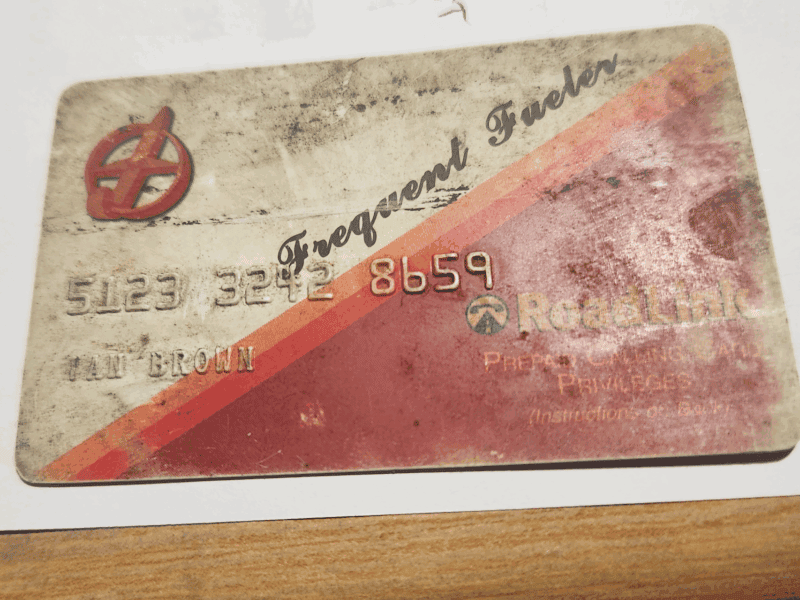
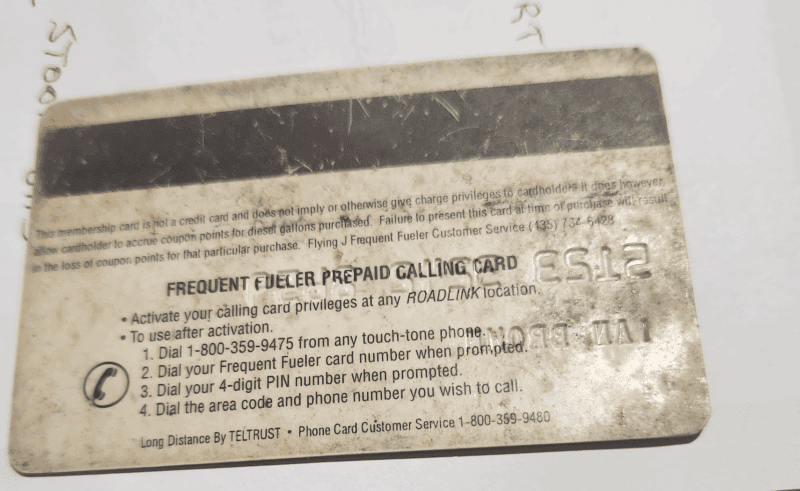
Morning ‘check in calls’ with dispatch was how most drivers started their day. Some drivers only called in to the office when they reached their destination.
Drivers were trusted to do their job, when they left the yard. There was often nothing worth calling into dispatch about, so they called when they delivered their load. Then, the job was done.
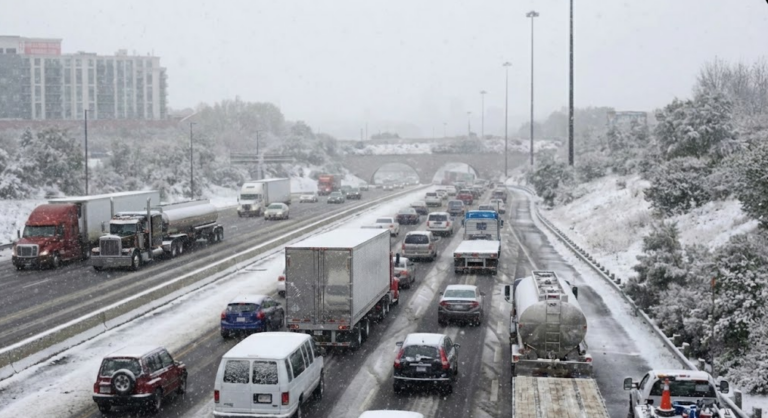
“Some nights you’d be crawling through a storm on a two-lane with a full load, no lights, no tech. You either learned really fast, or you’d end up in a ditch. That’s how you get real good at your job.” —Rick, retired trucker
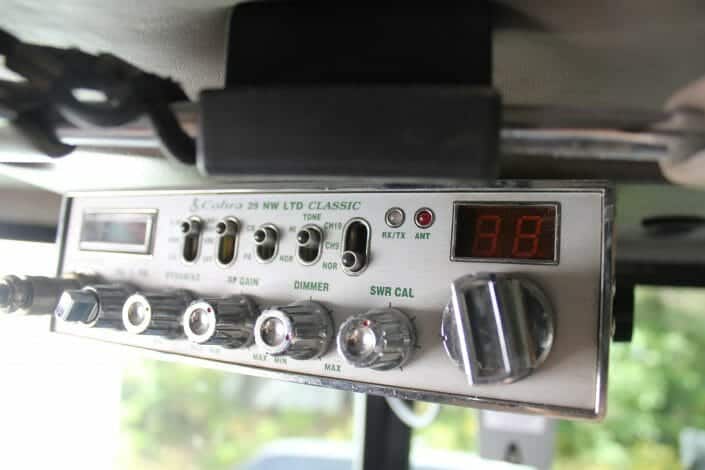
Without GPS rerouting, traffic apps, or smartphone maps, drivers relied on experience, their intuition, and the CB radio.
Drivers knew the ‘shortcuts’ and the troublesome spots.
If you missed an exit, it wasn’t a big deal. Drivers learned from their mistakes.
There was an entry made in the ‘notebook’……. Eg…’Don’t turn right at Exit 253, use the next exit’.
“Apps can’t tell you how to save a load when the bridge ahead is too low, or when a truck’s fishtailing on ice. That’s where experience comes in. It’s what separates experienced drivers from the rookies.” —Jerry, 34 year experienced trucker
Maps, the Next Exit book, and pay phones weren’t crutches.
They were tools in every truckers toolbox.
The old-school hustle took effort, skill, and planning, but in turn, it earned respect.
There’s no arguing, technology makes life on the road easier today.
But it also breeds dependence.
Old-school drivers knew the roads and when they didn’t, they figured it out.
They could handle what a GPS couldn’t even begin to do.