Rebuilding a Diesel Engine: When It Still Makes Sense
Diesel Engine Rebuilds Aren’t What They Used to Be
There was a time when rebuilding a diesel engine was simply part of trucking.
You bought a truck, ran it hard, watched your mileage, and somewhere down the road you planned for an in-frame or an engine overhaul.
It wasn’t panic time. It wasn’t a financial disaster. It was just part of the deal as a truck owner.
Today, diesel engine rebuilds are a much tougher decision.
Now you’re not only looking at the engine itself.
You’re looking at emissions systems, sensors, electronics, downtime, corrosion, software problems, parts shortages, warranty coverage, and whether the truck around that engine is even worth saving anymore.
That’s what changed.
And that’s substantial.
Old-School Rebuilds Were Part of the Plan
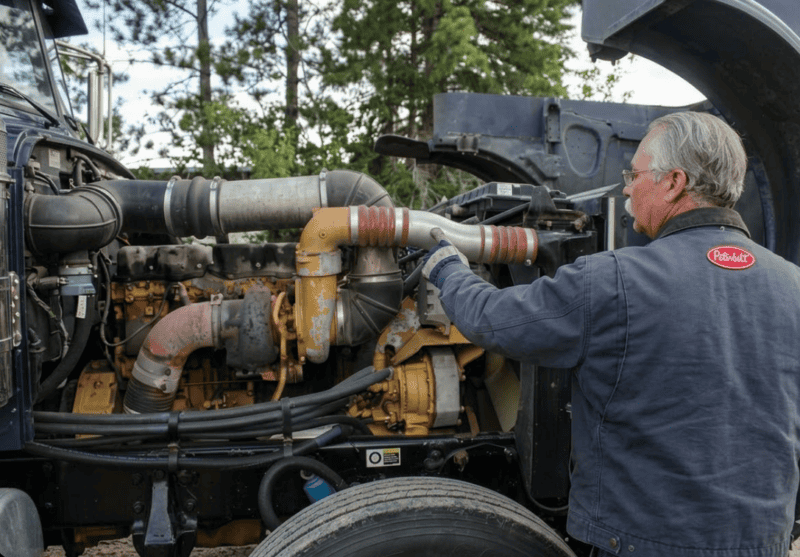
Years ago, owner-operators built diesel engine rebuilds right into the numbers when they bought a truck.
A Cat, Cummins, or Detroit could often be rebuilt with a kit from a dealership, a decent mechanic, and some common sense.
Engines were much simpler.
Drivers knew their trucks inside and out, and most major engine work was treated almost like tires, brakes, or a clutch.
Back then, a rebuild didn’t automatically mean financial ruin to a truck owner.
I remember hearing about an N14 Cummins rebuild back around 1990 that cost roughly $6,500. That was still serious money back then, but it usually wasn’t enough to bury the average owner-operator.
The old setup also gave drivers more control. If you knew your engine, you could often stay ahead of problems instead of waiting for a catastrophic failure.
That’s a major difference from modern day trucking.
When to Rebuild a Diesel Engine
Older mechanical engines had patterns, and the experienced truckers learned them.
- A 3406 Cat might start wanting head gaskets around the half-million-mile mark.
- An 855 Cummins or older 3406 Cat might benefit from rod and main bearings being rolled in early….. somewhere around 200,000 to 300,000 miles.
That knowledge came from years of real-world experience in trucking…..owners knew what worked.
Some engines had strong bottom ends and mainly needed top-end engine work. Others had different weak points. The truckers who lasted as owner-operators learned those patterns early on.
A few habits still stand out:
- Older 3406 Cats often got preventative head gasket work around 500,000 miles.
- 3406 Cats and 855 Cummins engines sometimes had bearings replaced early before bigger failures happened.
- Some Cummins engines could go a very long time with timely top-end work.
- Clean oil, quality filters, and proper coolant maintenance bought you the extra miles.
- Smart owners rebuilt engines before they destroyed themselves.
That last point still matters today.
Once an engine scatters a crank, damages the block, or destroys a head, the money goes along with it.
Why Modern Engines Changed Everything
The emissions era officially started in 2004 for model-year engines, but a lot of drivers will tell you 2007 is when things really changed.
Manufacturers were already chasing better fuel mileage because freight rates stayed stubborn while fuel prices kept climbing. The aerodynamics improved and engine tuning changed.
Then emissions regulations tightened everything even further.
That’s when trucking started depending heavily on emissions systems, sensors, regen cycles, DEF fluid, EGR systems, and far more complicated electronics.
Low-sulfur diesel changed the fuel itself too. It lubricated less than older fuel, which didn’t help engine longevity.
The result was a completely different kind of truck.
A lot of older owner-operators felt like the industry was learning on the fly while truckers paid the price out on the road.
The Truck Around the Engine Changed Too
This is the part many people miss.
Rebuilding a diesel engine today isn’t just about rebuilding the engine.
Modern trucks have far more electronics, wiring, sensors, modules, and software systems than older trucks ever did. Add road salt, chemical de-icers, and corrosion into the mix, and now you’re dealing with problems that have nothing to do with pistons or bearings.
Even if the engine itself can be rebuilt, what condition is the rest of the truck in?
- Frames rot
- Wiring harnesses corrode
- Connectors fail
- Modules become expensive problems
That changes the rebuild decision entirely.
Diesel Engine Rebuild Cost Today
The old days of a relatively affordable engine overhaul are long gone.
Today, a diesel engine rebuild cost can easily run anywhere from $20,000 to $40,000 U.S.D. depending on the engine, the shop, and what fails along the way.
One Caterpillar rebuild I know of recently, came in around the $40,000 mark.
That sure changes the math fast.
If you’ve got a 5 year-old truck that’s only worth about the same money as the rebuild itself, what are you really buying?
You’re not buying a new truck.
You’re buying one repaired engine inside a used truck with aging electronics, emissions equipment, corrosion, and unknown future problems.
That’s why rebuild decisions nowadays have to take the entire truck into consideration.
If the frame is rotting, the harnesses are brittle, the sensors are becoming unreliable, and the ECM has already started acting up, a fresh in-frame may not actually solve much.
The Warning Signs Usually Show Up First
Most engines don’t fail without warning.
The problem is that a lot of truck owners wait too long.
Some of the warning signs are still the same ones old-school mechanics watched for decades ago:
- Coolant in the oil or oil in the coolant
- Metal in the pan
- Heavy sludge buildup
- High oil consumption
- Blow-by and pressure issues
- Repeated overheating
- Leaks around head or sealing surfaces
But they usually become far more expensive if the truck keeps running until something lets go completely.
Is a Diesel Engine Rebuild Worth It?
Some diesel engines can live incredibly long lives.
I know of a Cat C16 that ran close to 4 million miles and went through three rebuilds.
That’s an extraordinary run.
But even great engines eventually reach a limit.
After multiple rebuilds, the block itself eventually becomes the concern. At that point, owners start looking at replacement blocks, remans, or complete engine replacements instead of another overhaul.
That’s why many truckers view 3 rebuilds as roughly the upper end before major decisions need to be made.
Even the best engines don’t last forever.
None of those repairs are cheap.
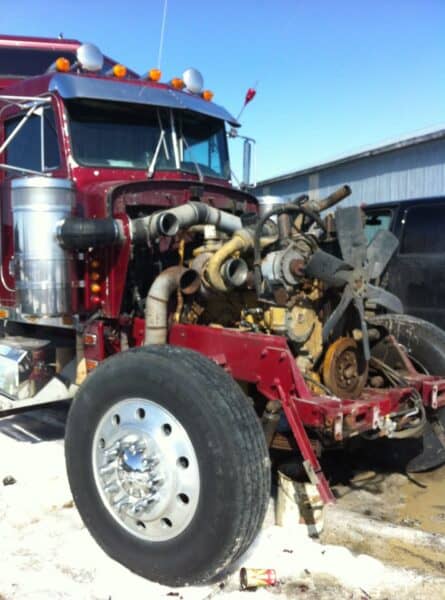
Engines Truckers Still Trust
Some engines built loyal followings because they proved themselves over decades.
Detroit Series 60
- Still respected for reliability and long-haul durability.
Cummins N14
- Known for a strong bottom end and long service life.
Cummins ISX
- Mixed reputation, but many examples show excellent mileage when maintained properly.
Caterpillar 3406
- One of the most respected rebuildable engines ever built.
Cat C15
- Still a favourite for many long-haul owners with proper maintenance.
Not every engine earned that reputation.
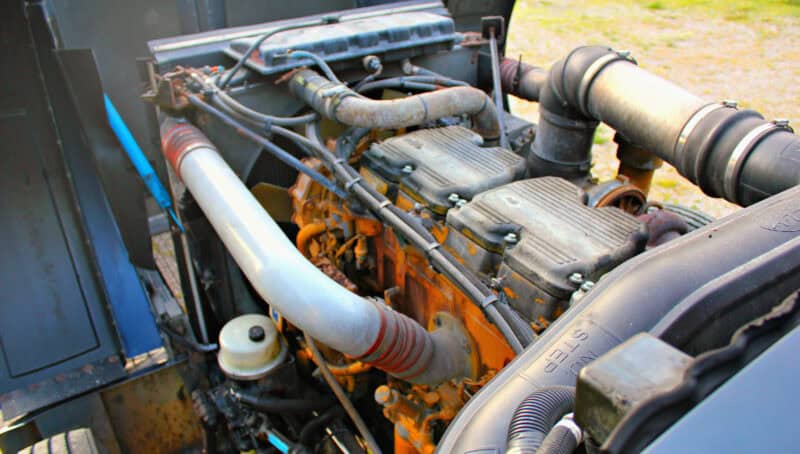
Cat C15 Diesel Engine
If You’ve Got a Good Engine, Think Carefully
Ownership history matters more than anything.
If you know the truck, know the maintenance, and know the engine has been dependable, there can still be a strong case for rebuilding it.
I know of an ISX that was running smooth again after head work while still getting excellent fuel mileage. I also know of a C15 that went beyond a million miles with mostly routine maintenance and very little major trouble.
Those are the kinds of engines owners fight to keep alive. They are certain worth rebuilding.
Maintenance Habits That Still Matter
Some things never changed:
- Clean oil still matters
- Coolant still matters
- Filters still matter
- Proper operating habits still matter
A few long-standing habits still buys extra miles:
- OEM-quality filters are still trusted on many engines
- Regular coolant changes help prevent internal corrosion
- Coolant filters should be serviced regularly
- Excessive idling can still create turbo and emissions issues
- Proper oil supply is critical on twin-turbo setups
Modern trucks are more complicated but the basics are pretty much the same.

Where You Rebuild Matters
Choosing the right shop matters more now than it used to.
A performance shop might do excellent work, but warranty coverage across North America is what really matters when things go wrong on the road.
If the rebuild fails far from home, you don’t want the answer to be:
“Tow it back here.”
That’s why many owners still lean toward OEM or dealership engine rebuilds when possible.
- Cummins engines go to Cummins shops
- Detroit engines go to Detroit shops
- Cat engines go to Cat dealers
It’s not brand loyalty. It’s survival.
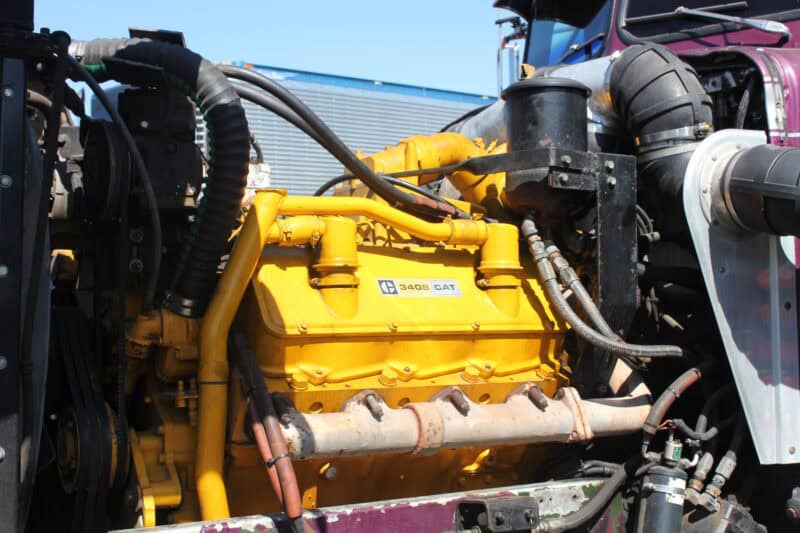
3408 Cat Engine
Downtime Can Cost More Than the Engine
Modern trucking has made downtime brutal.
Some rebuilds and engine swaps now take weeks or even months due to parts delays and labour shortages.
Good diesel mechanics are harder to find, and many shops are stretched pretty thin.
Even a small failure can sideline a newer truck completely.
Older trucks might leak, shake, and complain… but many could still get home.
Newer trucks with a bad sensor often don’t move at all.
Sometimes a Rebuild Isn’t the Smart Move
For some trucks, rebuilding still makes sense.
For others, an engine swap, reman, or even replacing the truck is the better decision.
Some fleets now prefer full engine replacements instead of in-frames to reduce downtime and gain fresh warranty coverage.
Crate engines and remans can also be faster and more predictable than rebuilding a worn core.
Ownership also matters.
If you’re leased onto a carrier or unsure about long-term control of the truck, a major rebuild becomes a much harder investment to justify.
The Rebuild Has to Fit the Entire Truck
A diesel engine rebuild used to be a routine decision.
Today, it’s a full-blown business decision.
If you’ve got a strong engine with a known history, rebuilding can still make sense.
But if you’re dealing with a newer emissions truck with corrosion, electronics issues, and a rebuild bill close to the truck’s value, the smarter move may be a reman, replacement, or walking away.
That’s the reality of diesel engine rebuilds today.
The engine still matters.
But the whole truck matters more.
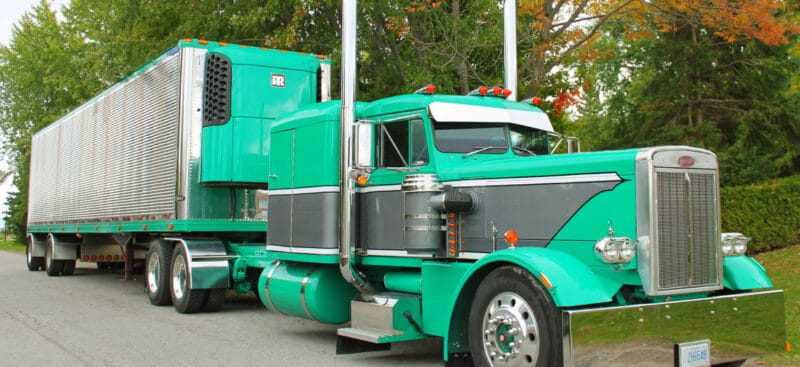
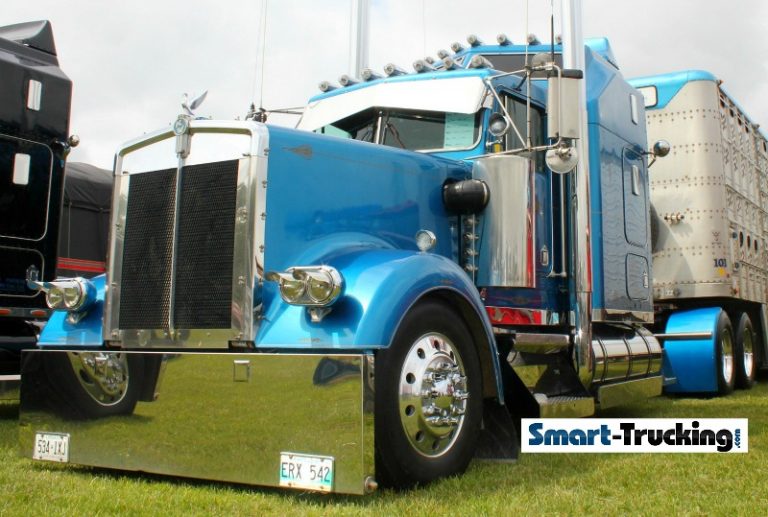
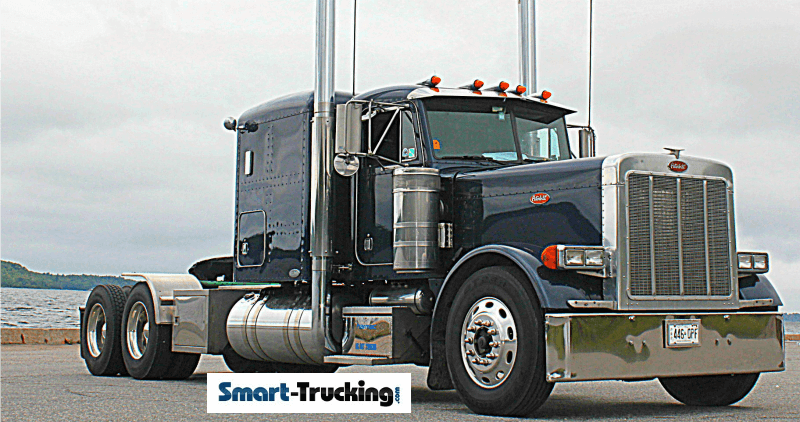
1965 351 Peterbilt, Cat Powered