Junk Trucking Equipment: When Poor Maintenance Becomes the Driver’s Problem
A shiny truck doesn’t mean much if the brakes are weak or out of adjustment, the tires are bald and the emissions system leaves you on the shoulder of the road.
When equipment starts slipping, it’s not just a company cost problem — it becomes a driver problem fast.
Because out on the road, you’re the one who has to deal with it when something fails.
And in trucking, junk equipment rarely fails quietly.
Not About New vs Old: It’s About What’s Maintained
There’s always debate in trucking about newer trucks versus older iron.
Some drivers prefer newer equipment for comfort and technology.
Others will take older trucks any day, as long as they’re properly maintained.
But the age of the equipment isn’t the real issue.
A well-maintained older truck will outperform a neglected newer one every time.
The real difference isn’t new or old …. it’s whether the equipment is being taken care of or slowly allowed to fall apart.
That’s where problems begin.
Junk Equipment Always Shows Up Road-Side
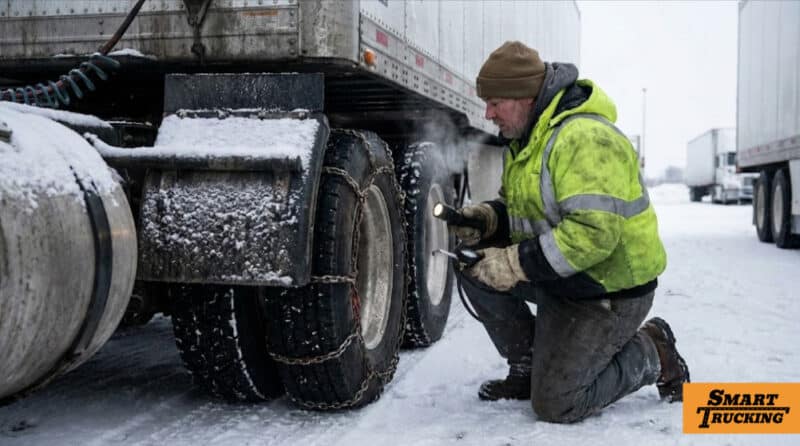
Mechanical issues rarely start as catastrophic failures. They begin as smaller problems:
- brakes that don’t feel quite right
- tires that should’ve been replaced earlier
- lights that only work some of the time
- wheel seals beginning to leak
- emissions faults that come and go
Individually, they get ignored.
Together, they turn into breakdowns, failed roadside inspections, and expensive downtime.
And the driver is the one left dealing with it when it happens.
When Junk Equipment Becomes the Driver’s Problem
One of the biggest realities in trucking is this: responsibility doesn’t stop with the trucking company.
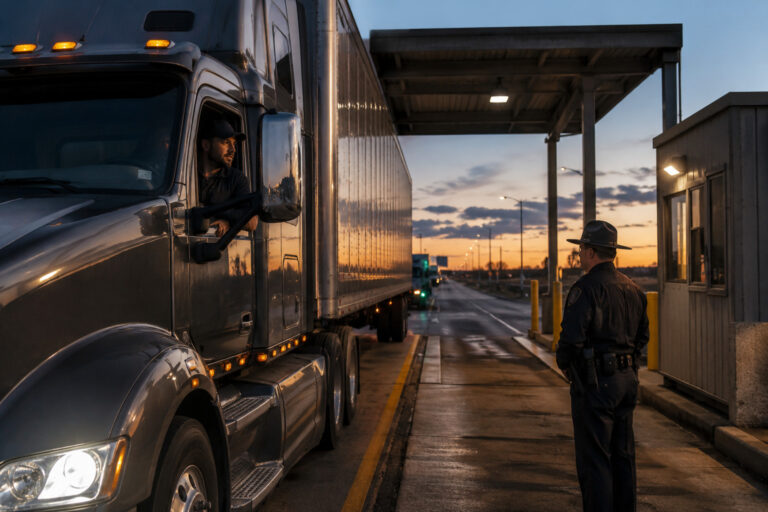
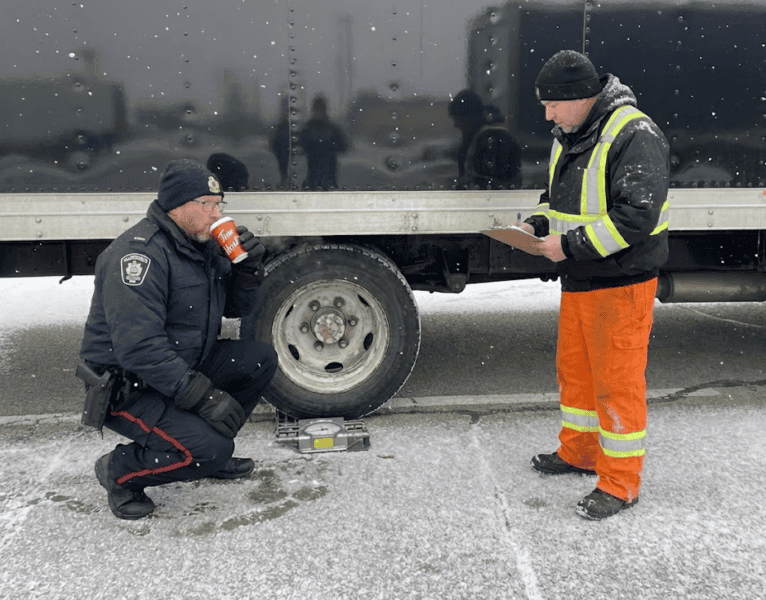
If a truck gets inspected, the driver is the one standing there while it happens.
And if equipment is out of compliance or unsafe, the consequences don’t stay neatly with the company.
Drivers can end up:
- delayed roadside for hours
- fined in certain situations
- issued violations that affect their CDL record
- assigned points depending on the infraction
Even when poor maintenance is clearly the root cause, the driver is still the one dealing with the inspection, paperwork, delay, and stress.
That’s why equipment condition can never be treated as “not my problem.”
The moment the wheels start turning, it becomes the driver’s problem too.
Owner-Operators Face Even More Exposure With Company Trailers
For owner-operators, the risk can actually increase when pulling company trailers.
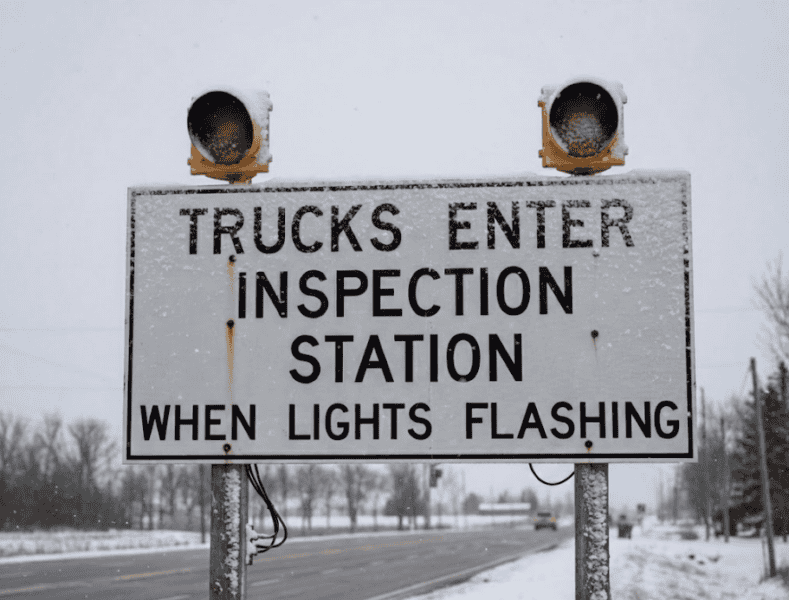
Once that trailer is hooked to your truck, you’re the one hauling it through inspections, scales, and roadside checks. If the trailer has bad brakes, worn tires, lighting defects, or other violations, the fallout can still land on the driver depending on the situation and jurisdiction.
That’s why owner-operators need to be extremely selective about the condition of any company trailer they pull.
Some carriers are excellent with trailer maintenance.
Others not so much.
Trailer Maintenance Is Where Fleets Often Cut Corners
One of the easiest places for trucking companies to save money is trailer maintenance.
Not all carriers do it, but trailers are often where maintenance budgets get tightened up.
Trucks usually gets priority because it’s the visible revenue-producing piece of equipment.
But the trailer?
That’s where shortcuts are often taken….
- tires run too long (after they have done their time)
- brakes are pushed past replacement time
- lights are patched instead of repaired properly
- weepibg wheel seals are ignored until they fail
One driver may notice a problem and think:
“I’m only going a couple hundred miles.”
Then the next driver says the same thing.
Eventually something gives up under load at highway speed…. not a good scenario.
And when that happens, it’s the driver sitting on the shoulder dealing with the consequences …. not the office that deliberately ignored the repair.
Cheap Maintenance Always Becomes Expensive
Tires are one of the clearest examples of how neglect catches up.
A worn tire or poorly maintained recap doesn’t stay harmless. When it fails at speed, it can destroy:
- fenders
- mudflaps
- wiring
- bumpers
- time and revenue
What looked like saving money suddenly turns into roadside repairs, downtime, and expensive damage.
The same pattern applies to neglected inspections and delayed repairs.
Maintenance shortcuts almost always cost more later.
Emissions Systems Changed the Breakdown Game
Modern day trucks didn’t just become more advanced, they became more dependent on systems that can shut them down instantly.
Emissions-related failures are now one of the biggest causes of breakdowns in trucking. Just ask ANY truck driver.
DEF system faults, sensor issues, and forced derates can put a truck on the shoulder without warning.
And when those repairs happen outside warranty coverage, the bills can get ugly fast.
What used to be straightforward mechanical repairs have become expensive electronic troubleshooting sessions… with shop rates around $180+/hour.
That’s one reason many truck drivers still prefer the older equipment with fewer emissions-related systems and sensors.
Not All Fleets Handle Equipment the Same Way
Some carriers stay on top of maintenance quite aggressively.
Repairs are done promptly. and problems get fixed before they become bigger issues. The equipment stays clean, inspected, and roadworthy at all times.
Other companies allow those small issues to pile up until breakdowns become routine.
Drivers usually figure out the difference pretty quickly ….. not from company promises, but from daily experience on the road.
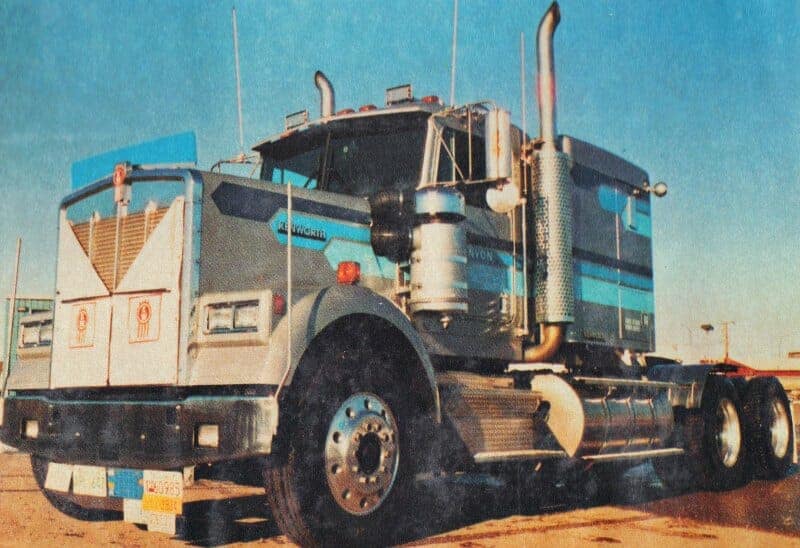
I recall one of Dave’s first driving jobs. He worked for a tanker company for about a year or so. He never had one trip without a breakdown. The company ran Freightliner cabovers and they were pure junk and poorly maintained. It was a union driving job and the pay was nice, but sitting roadside every other day, became old very fast.
Junk trucking equipment always reveals itself.
Trucks Are Often Treated Like Short-Term Assets
A growing trend in trucking is running equipment hard while it’s under warranty, then cycling it out of the fleet before major repair costs begin.
From a business standpoint, it makes sense.
But from a driver standpoint, it often makes trucks feel less durable and more disposable than older equipment built to stay on the road for decades.
That shift has changed how many drivers view newer trucks altogether.
Cold Weather Exposes Weak Equipment Fast
When temperatures drop, weak equipment seems to fail more readily.
Batteries struggle.
Air systems leak more.
Engines become harder to maintain.
Heating systems become critical instead of optional.
In extreme weather, equipment has to function properly.
At that point, reliability stops being a comfort issue and becomes a survival issue.
The Breakdowns Drivers Never Forget
Some breakdowns are frustrating.
Others are situations drivers ‘never’ forget.
Refrigeration failures on temperature controlled trailers are a perfect example. When a reefer unit fails on a temperature-sensitive load, every minute suddenly matters.
Now the equipment failure isn’t just about the truck.
It becomes a race against spoilage, rejected freight, and major financial loss.
Those are the kinds of breakdowns drivers remember for years.
A Few Thoughts
Junk trucking equipment doesn’t always look like junk.
Sometimes it’s new. Sometimes it’s clean. Sometimes it looks perfectly fine until it isn’t.
But appearance doesn’t matter when something fails on the highway.
Maintenance does.
Because once equipment starts slipping, the consequences don’t stay solely with the trucking company.
They land on the driver who is left dealing with the breakdown, the inspection, the delay, or the violation in real time.
And that’s why being selective about the trucking company you work for matters more than many drivers realize.
Because in trucking, poor maintenance eventually becomes the driver’s problem.