Why Drivers Leave Trucking Companies
Truck drivers will tolerate a lot in this industry. But there are some things they eventually won’t put up with from trucking companies.
Bad weather.
Tight schedules.
A dispatcher blowing up your phone all day, every day.
A paycheck that doesn’t quite match the grind it took to earn it.
When a driver is with the wrong company, every mile starts feeling a lot heavier than it should.
Most drivers don’t leave because of one small issue.
They leave because the same problems keep stacking up….poor pay, bad equipment, no decent home time, constant pressure and the growing feeling that the ‘office’ side of the business has no real understanding of what happens out on the road.
That’s the root of it. And it’s exactly why drivers walk.
Trucking Is Changing and Drivers Are Feeling It
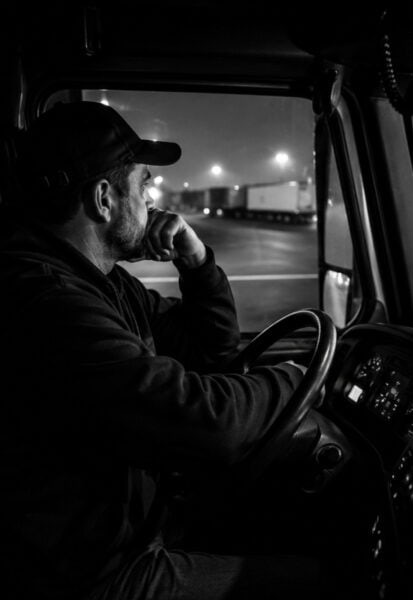
There’s been a steady shift in trucking over the last several years and most of it has been landing on the driver’s shoulders.
Freight has been up, down and all over the place.
Some carriers keep hiring during slow periods, which spreads fewer loads between more trucks….. meaning fewer miles, smaller paychecks, and more frustration at the end of the week.
Inflation doesn’t help the matter either.
Even if a driver is making the same cents-per-mile as last year, that money doesn’t go as far as it used to. Everything costs more. Fuel, food, housing, insurance. So what looks like “steady pay” on paper often feels like a step backward in real life.
Then there’s the ongoing pressure around how carriers classify drivers …the ongoing deal with lease operators and independent contractors. When rules being debated at a federal level start to tighten, carriers will make quick changes and drivers are usually the ones who feel the impact first.
And through all of it, one frustration keeps showing up:
“Nobody cares that a company is growing if everyone’s paycheck is shrinking.”
This sums up a lot of what drivers are seeing right now.
What Good Trucking Companies Get Right
Let’s not pretend that pay doesn’t matter. Pay matters. But experienced drivers know that cents-per-mile only tells part of the story.
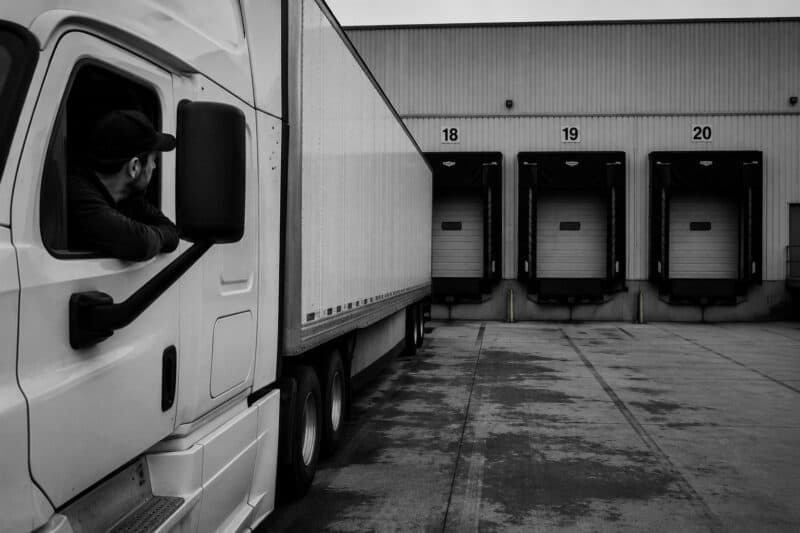
The real truth about a company usually shows up after the initial orientation is over and the truck actually goes on the road.
That’s when drivers find out how dispatch operates, how realistic the promised home time actually is, and whether the maintenance department keeps the equipment roadworthy or if they keep it just good enough to roll.
Good companies usually get the basics right:
- Safe, well maintained equipment
- Honest, straight-forward pay structure
- Realistic scheduling
- Respect for a driver’s home time
- Communication that doesn’t feel like pressure
- Fair compensation for delays, detention, and other non-driving work
None of this is flashy or fancy.
But it’s what keeps drivers around.
Equipment especially matters. A poorly maintained truck doesn’t just slow things down for a driver….. it creates stress, safety risks, and constant frustration. Drivers aren’t picky when they complain about it. They’re just reacting to something that affects every hour of their workday.
Drivers Are Tired of Working for Free
One of the biggest frustrations in trucking today is unpaid time.
- Waiting at docks.
- Sitting through delays.
- Breakdowns.
- Traffic.
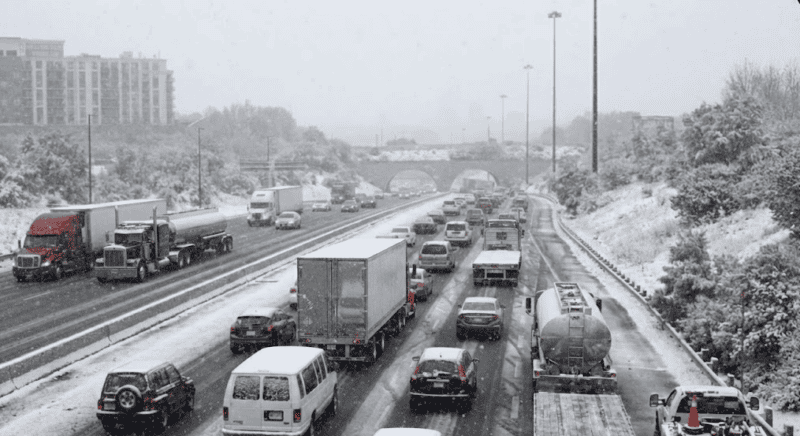
- Weather.
That’s why more drivers are paying attention to driving jobs which pay hourly, salaried jobs and dedicated runs where time equals money.
The bottom line is simple.
Drivers don’t mind working hard. But they do mind working hard for free.
Micromanagement Pushes Drivers Out Way Faster Than Pay
A lot of people who aren’t truck drivers, assume pay is the main reason drivers leave trucking.
However, that’s not always true.
Micromanagement is often worse.
Constant check-ins. Endless messages. Dispatch trying to control every move from an office chair. Safety departments focused on minor issues while ignoring bigger operational issues.
Drivers don’t dislike the guidance. They dislike being controlled by people who don’t understand the job.
Experienced dispatchers make a huge difference. The good ones know traffic patterns, customer behavior, weather delays, and realistic timing. They don’t need to constantly chase drivers because they already understand what’s happening out on the road.
The bad ones do just the opposite. They create pressure where none is needed.
In-Cab Cameras and Constant Monitoring
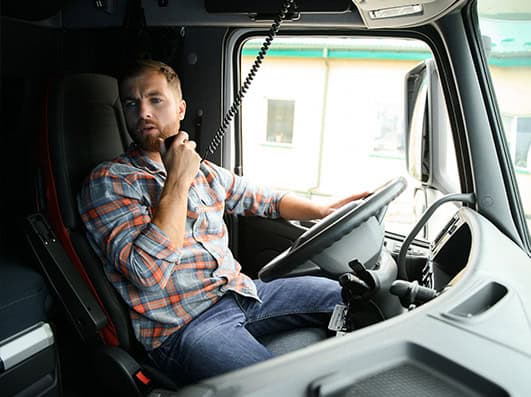
Driver-facing cameras have become one of the most controversial issues in modern trucking.
Trucking companies like to call the monitoring devices ‘safety tools‘. But, many drivers see them as a trust issue.
The issue isn’t always the surveillance itself, but how it changes the relationship between the driver and the company. Instead of being trusted professionals, drivers feel like they’re being monitored minute by minute.
That shift has consequences.
“If a company can’t trust a clean, experienced driver without watching him all day, something bigger is wrong than driver behavior.”
For many drivers, that level of monitoring changes the feel of the entire job.
Remember…trucking has always attracted independent people.
Constant observation runs against those principles.

Unsafe Equipment Isn’t Just a Nuisance
Bad equipment is one of the fastest ways to lose drivers.
Faulty landing gear, poor maintenance, worn out parts aren’t small issues. They create a huge risk for injury.
And in trucking, it is well known by every truck driver that responsibility doesn’t disappear when something goes wrong.
If a truck shouldn’t have been on the road, that question often comes up after the fact.
That’s why experienced drivers are strict about documentation, inspections, and refusing unsafe equipment when necessary.
No paycheck is worth your CDL or your life.
When freight is slow…. the pressure increases. And that’s when bad decisions tend to happen. The smartest drivers don’t let that pressure override good judgment.
Specialized Freight and Small Carriers Still Matter
Not all truck driving jobs are the same.
Specialized freight….. like hazmat, tanker, oversize, and car haulers, usually offer better pay and less wasted time at docks. Less waiting usually means more productivity and less frustration.
Hazmat work in particular tends to move more efficiently, with fewer long delays at loading and unloading points.
The smaller carriers also continue to attract drivers for a simple, basic reason…..they often feel more human.
Drivers may know the owners. The dispatch is more personal. Trucks are maintained with more consistency. And decisions don’t always come from a corporate office which is highly disconnected from the realities of the road.
It’s not perfect. But for many drivers, it feels more balanced.
What Keeps Drivers in the Industry Or Pushes Them Out
A long career in trucking doesn’t come down to just pay rates or freight lanes. It comes down to a ‘good fit or not’.
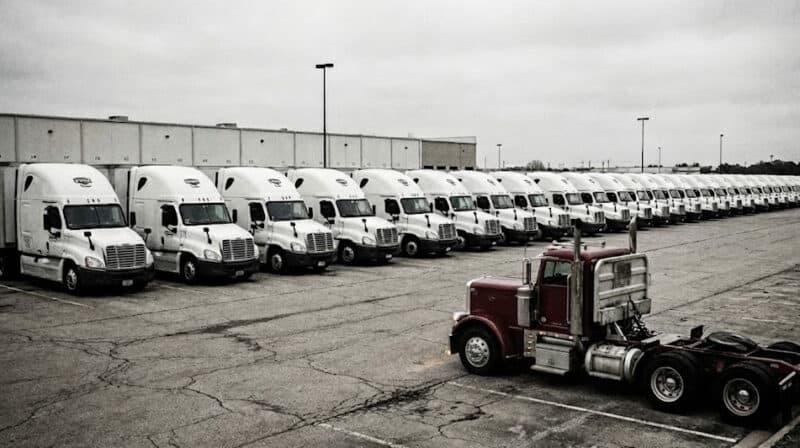
The right company makes the job manageable. The wrong one drains drivers until they eventually walk out the door, never to return.
Home time plays a major role in that. Some drivers need regular time off. Others want local work. Some prefer dedicated routes. There’s no universal setup that works for everyone.
But one theme keeps showing up across the industry:
Time matters just as much as money.
Drivers need rest. They need time away from the truck. And they need schedules that don’t constantly push them to the edge.
“Find the right people, and trucking is still a good career. Find the wrong ones, and it wears you down fast.”
At The End of the Day…..
The best trucking companies aren’t always the ones with the highest advertised pay.
They’re the ones that:
- Maintain their equipment properly
- They pay fairly and consistently
- They respect home time
- They try to reduce unnecessary pressure
- They treat drivers like professionals, not as problems to manage
Drivers will tolerate a lot in this industry. Weather. Traffic. Long hours. Tight docks.
What they won’t tolerate forever is disrespect, unsafe conditions, or being treated like they’re disposable.
In the end, drivers don’t leave trucking because they hate driving a truck.
Most leave because of the people and the companies that make the job harder than it needs to be.